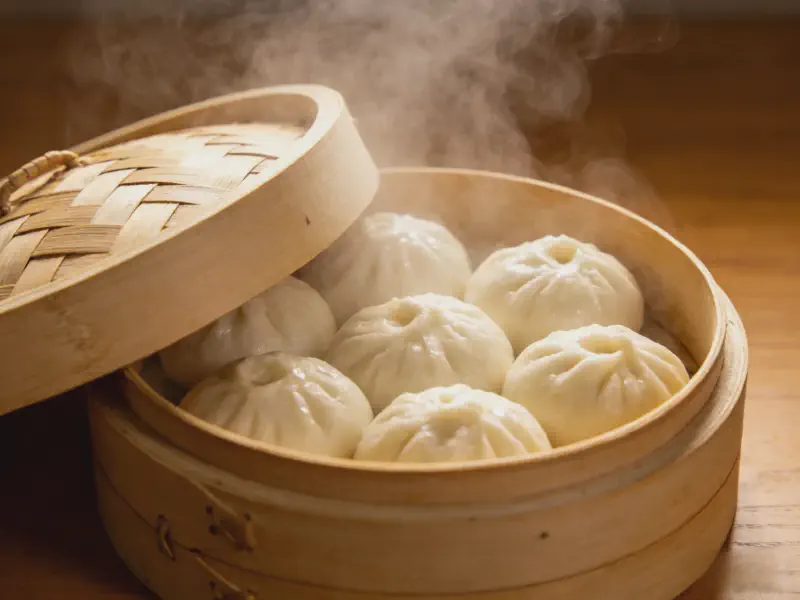
Cabbage and Pork Baozi: The Taste of Home Etched in Every Northern Chinese Memory
Hello everyone! Today I’m sharing a Northern Chinese household essential—Cabbage and Pork Baozi.
Fluffy, snow-white baozi skins envelop tender, juicy cabbage and pork filling. With one bite, the broth seeps into the bun skin, the meat aroma mingling with cabbage’s natural sweetness—this is the taste of home etched in countless Northern Chinese memories.
Many people think making baozi is “advanced-level cooking”—afraid the dough won’t rise, afraid the filling will leak water, afraid the buns will collapse after steaming. The truth is, master 3 core secrets, and even beginners can make fluffy, fragrant baozi better than the bun shops!
First, admire these plump, snow-white cabbage and pork baozi!
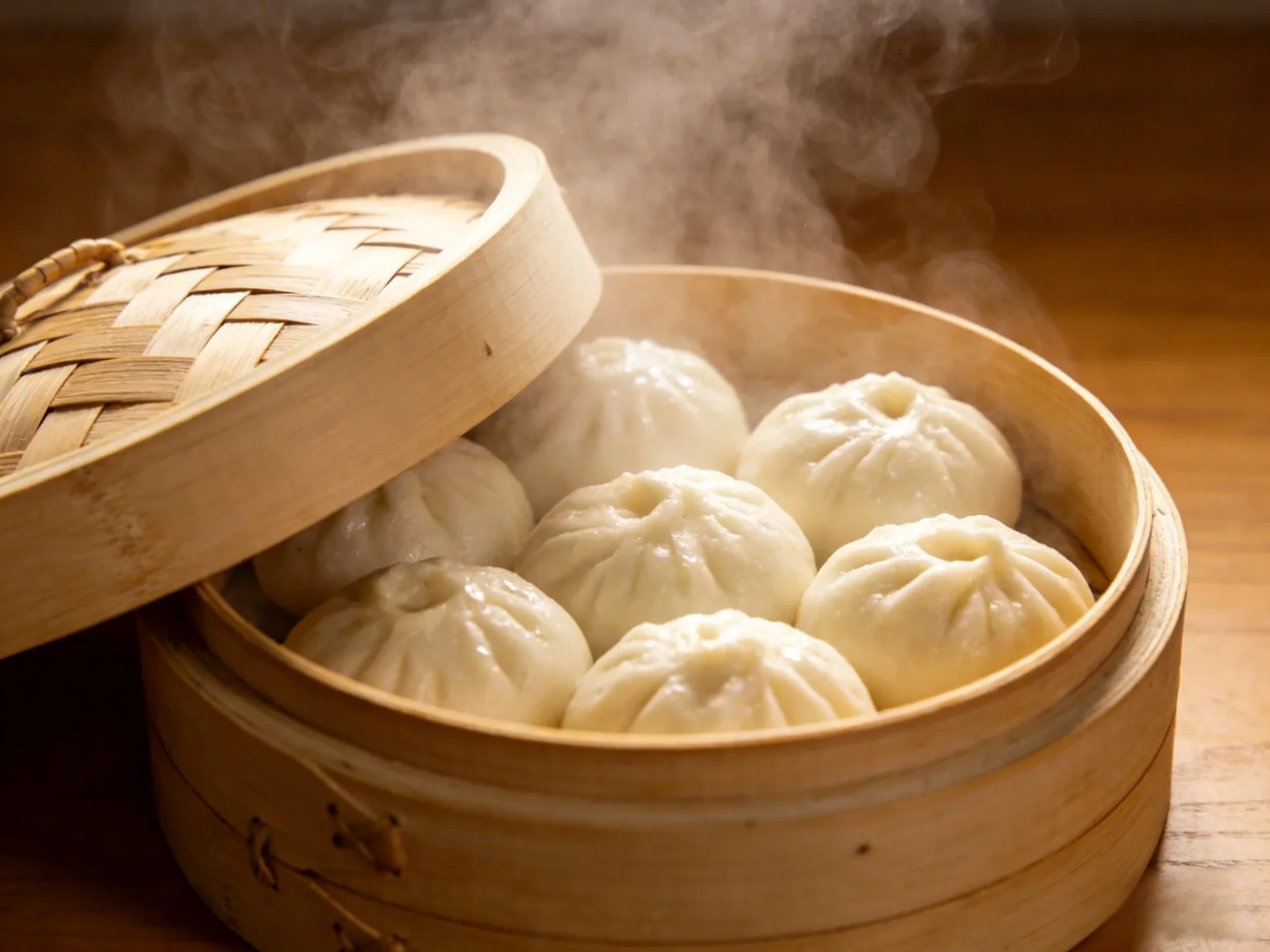 Thin skin, generous filling, fluffy white, juice spilling out when bitten—this is the soul of Northern baozi!
Exclusive Three Secrets (Read Before Cooking)
🎯 Secret #1: Dough “One-Time Fermentation with Lard”—Key to Fluffiness
Many people fear proofing dough, but the one-time fermentation method is actually beginner-friendly:
- Warm water activation: 30-35°C water dissolves yeast and sugar, rest 5 minutes (bubbles on surface = yeast active)
- Lard is the secret: Add 10g lard—baozi skins are whiter, shinier, and stay soft even when cooled
- One proofing is enough: Only one fermentation needed, success rate increases by 50%
Can substitute vegetable oil, but lard’s “moist richness” is irreplaceable
🎯 Secret #2: Cabbage “Salt-Squeeze Sandwich Method”—No Watery Filling
The biggest enemy of cabbage filling is water. Many people squeeze, but the filling still turns soupy.
Three golden steps:
- Salt treatment: Add 1 tbsp salt to chopped cabbage, marinate 20 minutes
- Squeeze mercilessly: Wrap in cheesecloth, squeeze until no more water comes out (weight reduces by over 40%)
- Oil seal isolation: Mix squeezed cabbage with cooking oil first, then combine with meat—oil film locks moisture, meat juices stay inside
🎯 Secret #3: Steaming “Cold Water Rest Method”—Baozi Won’t Collapse
90% of people’s baozi collapse upon opening the lid—all because they skip the final 3 minutes:
- Cold water start: Water heats gradually, giving baozi more thorough cooking
- Rest after steaming: Turn off heat, rest 3-5 minutes before opening lid
- Temperature buffer: Prevents sudden cold air from causing thermal shock collapse
Detailed Step-by-Step Guide
Part 1: Making Dough (One-Time Fermentation Method)
Step 1: Activate Yeast

- Add 5g yeast, 5g sugar to 260g warm water (30-35°C, comfortable to touch)
- Stir well, rest 5 minutes
- Fine foam on surface—yeast is activated
Sugar is yeast’s “food,” not for sweetness
Step 2: Knead into Dough
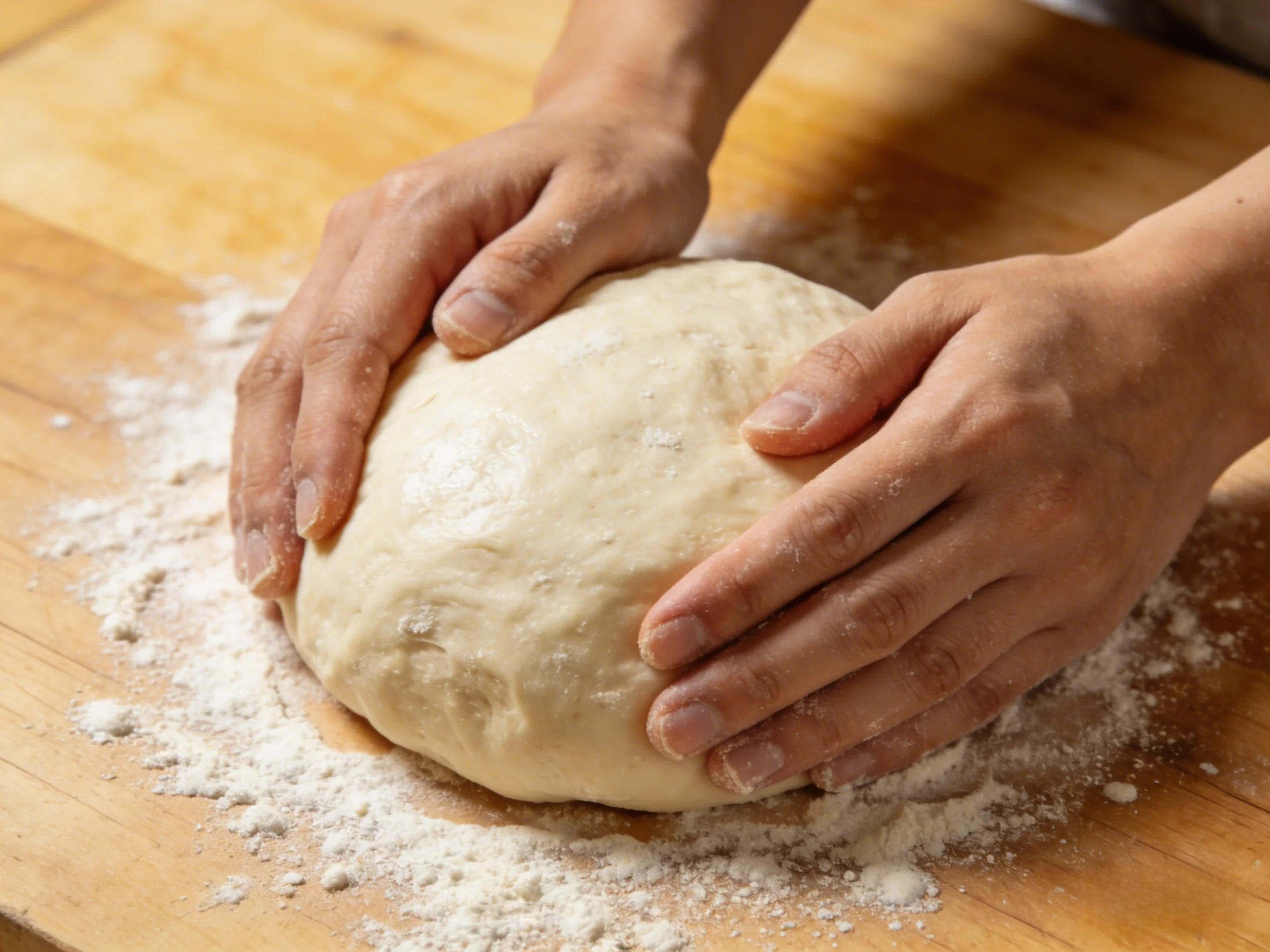
- Gradually add yeast water to 500g flour, stir into flaky texture
- Add 10g lard
- Knead into smooth, non-sticky, non-stick bowl dough (about 10 minutes)
- Cover with plastic wrap, proof in warm place until doubled in size (about 40-60 minutes)
Doneness indicators:
- Poke with floured finger—hole doesn’t spring back
- Tear open—even honeycomb structure
Part 2: Making Filling (Secret to Non-Watery Cabbage)
Step 3: Prepare Cabbage—Salt and Squeeze

- Wash Napa cabbage, first cut into strips then dice, don’t over-chop
- Add 1 tbsp salt, mix well, marinate 20 minutes
- Wrap in cheesecloth, squeeze water out firmly (this step determines success!)
- Squeezed cabbage should be about 60% of original weight
Don’t discard the squeezed cabbage water—can be used to knead dough, nutritious and zero waste
Step 4: Make Pork Filling—Hydrate and Bind

- Mince pork belly (30% fat, 70% lean is ideal)
- Add 50g ginger-scallion water in 3-5 batches, stir in one direction until fully absorbed
- Add light soy sauce, dark soy sauce, oyster sauce, salt, sugar, white pepper, cooking wine
- Continue stirring until filling becomes gelatinous, sticky, pulls like threads
Doneness indicator: Chopstick inserted in filling stands upright
Step 5: Combine Cabbage and Pork—Oil Seal Method

- First add 3 tbsp cooking oil to squeezed cabbage, mix well
- Then add to seasoned pork filling
- Add sesame oil, sprinkle scallions
- Stir clockwise until well combined (don’t overmix—keep some texture)
- Refrigerate 30 minutes—filling firms up, easier to wrap
Part 3: Wrapping and Steaming
Step 6: Deflate and Divide
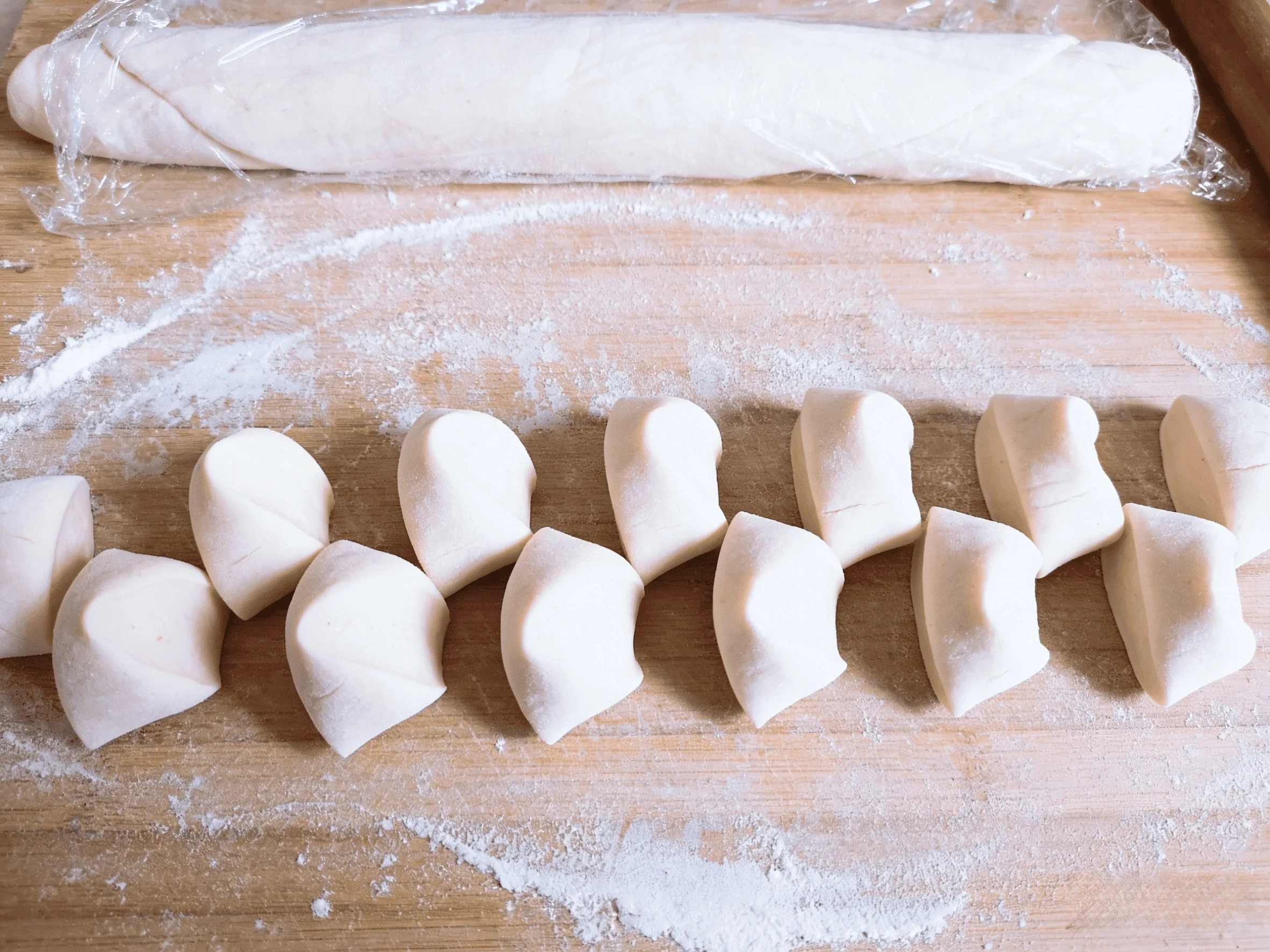
- Thoroughly deflate proofed dough (knead 5-8 minutes)
- Roll into log, cut into 12 equal pieces (about 65g each)
- Dust work surface with flour, cover with plastic wrap to prevent drying
Step 7: Roll Wrappers and Wrap
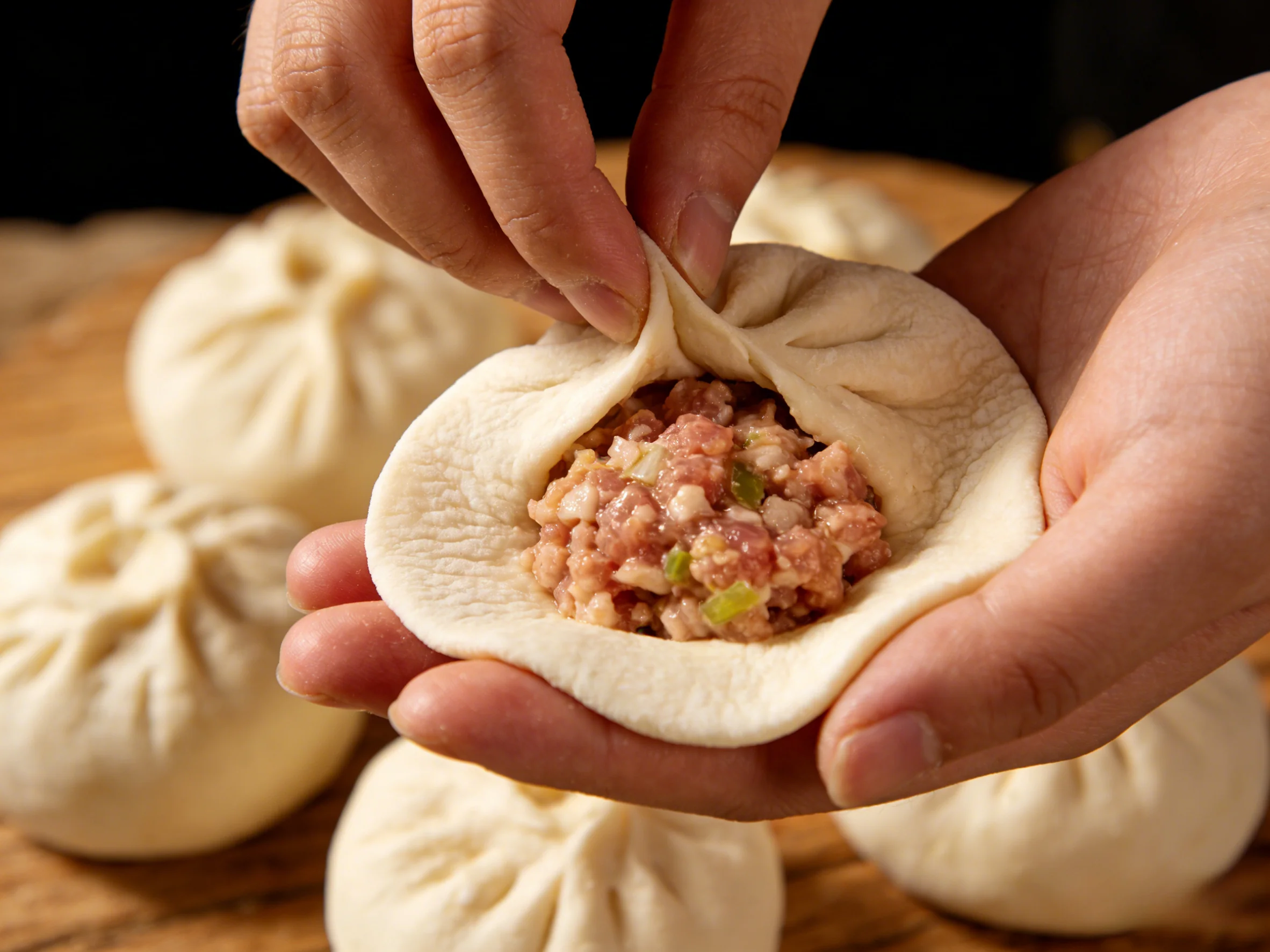
- Flatten dough piece, roll into round wrapper with thicker center, thinner edges (about 12cm diameter)
- Add about 50g filling
- Left hand holds wrapper, right hand pleats—thumb stays still, index finger pushes pleats forward
- Pinch tightly to seal, shape into round bun
Beginner-friendly: Don’t obsess over 18 pleats—no leakage is victory
Step 8: Steam—Cold Water Start, Rest to Finish
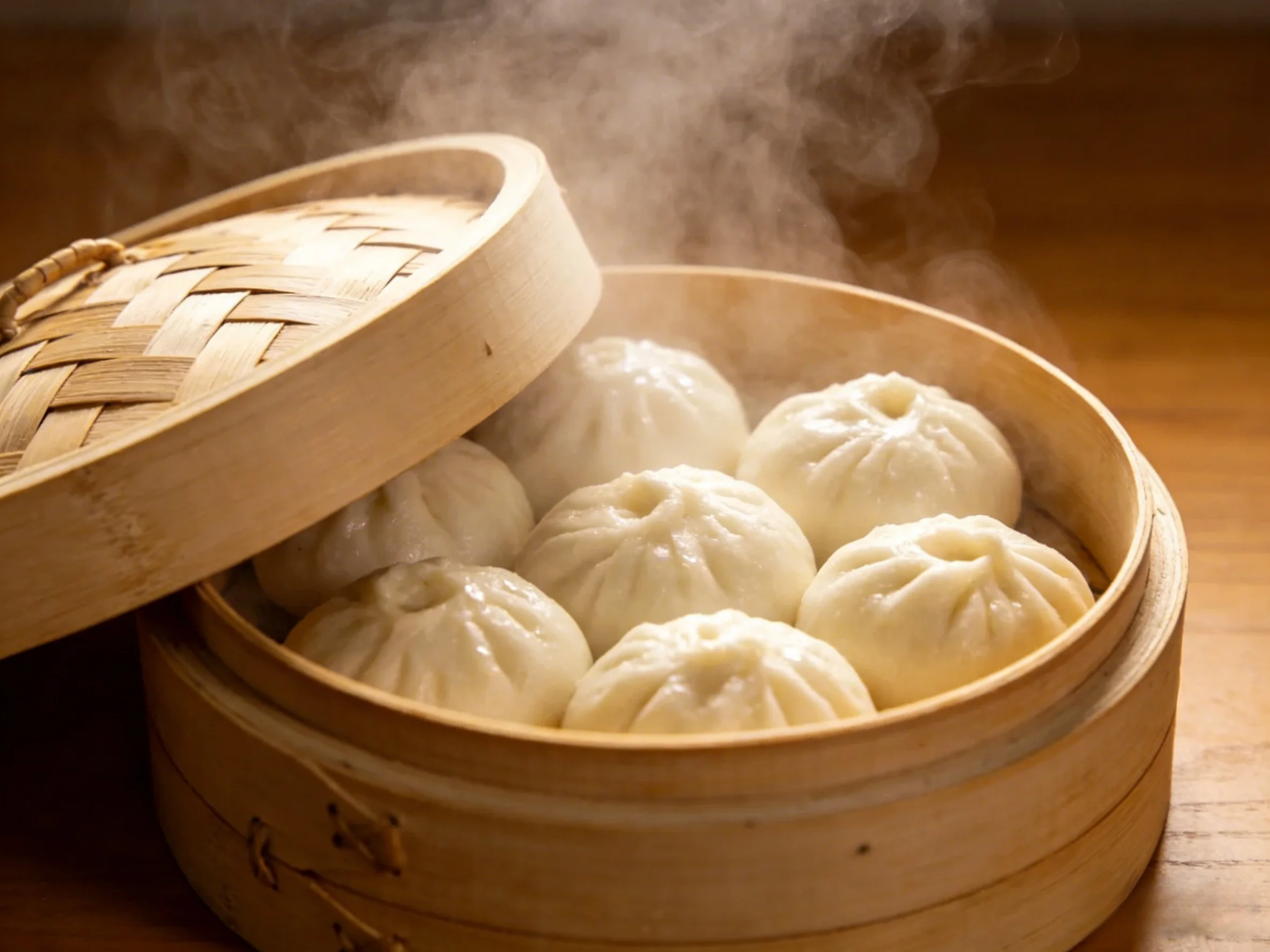
- Place wrapped baozi in steamer basket lined with parchment paper
- Start with cold water (don’t wait for it to boil)
- Bring to boil over high heat, reduce to medium heat after steam appears
- Steam 15 minutes (adjust based on baozi size)
- Turn off heat, rest 3-5 minutes before opening lid
- Remove immediately to prevent water droplets from puncturing skin
Advanced Techniques & Flavor Variations
🌟 Classic Variations:
| Variation | Adjustments | Flavor Profile |
|---|---|---|
| Cabbage Pork Glass Noodle Baozi | Add soaked, chopped glass noodles | Absorbs broth, more economical |
| Cabbage Pork Wood Ear Baozi | Add rehydrated chopped wood ear mushrooms | Crispy texture, nutritious |
| Pickled Cabbage Pork Baozi | Substitute Napa cabbage with Northeast pickled cabbage | Tangy, cuts richness, Northeast style |
| Cabbage Pork Shrimp Baozi | Add 1 shrimp per baozi | Extra umami, guest-worthy |
🌟 Leftover Baozi Makeover:
- Pan-fried Baozi: Brush oil on bottom of leftover baozi, pan-fry until golden crispy
- Steamed Egg Custard: Dice baozi, steam with egg mixture
- Baozi Soup: Tear into pieces, cook in seaweed egg drop soup
FAQ
Q: Why are my baozi skins yellowish, not white? A: Three reasons—① no lard added ② flour protein too high ③ insufficient kneading. All-purpose flour + lard + thorough kneading = 30% whiter.
Q: Why is the sealed top hard? A: Dough dried out. Cover unused dough pieces with plastic wrap while wrapping; dab sealed top with water for secondary adhesion.
Q: Cabbage filling always leaks water? A: Insufficient salting time or not squeezing hard enough. Marinate at least 20 minutes, squeeze until wrists ache. Pre-mixing cabbage with oil is the ultimate hack.
Q: Can I freeze them? A: Uncooked frozen: Wrap, place on tray and freeze solid, then bag. Steam directly from frozen with cold water start, add 5 minutes. Cooked frozen: Cool completely after steaming, seal and freeze. Re-steam 5 minutes to reheat.
Nutritional Value
| Component | Amount (per baozi) | Benefits |
|---|---|---|
| Calories | Approx. 220 kcal | Satisfying meal staple |
| Protein | 10g | Quality animal protein |
| Dietary Fiber | 2g | Promotes digestion |
| Calcium | 35mg | Cabbage is calcium-rich |
Cabbage is rich in Vitamin U (anti-ulcer factor). Combined with pork, protein complementarity increases nutrient absorption by 40%.
Serving Suggestions
- 🥣 With millet porridge: Classic breakfast pairing
- 🥒 With smashed cucumber: Refreshing, cuts richness
- 🍵 With jasmine tea: Northern-style afternoon tea
- 🧄 With raw garlic: One bite baozi, one bite garlic—better than meat
Total Time: About 1.5 hours (including proofing)
Difficulty Level: ★★☆☆☆ (Requires some patience)
Success Rate: 85% following tips
Best Served: Within 10 minutes after steaming—fluffiest
Pro Tip: Wrap steamer lid with a cloth cover to prevent water droplets from puncturing baozi skin—“blooming” isn’t festive, it’s failure!
Cabbage and pork baozi are the “anchor” in every Northern Chinese freezer. Steam two batches, freeze them—when there’s no time to cook, just reheat two for a solid, satisfying meal.
This isn’t just food. It’s the taste of mom’s cooking. The foundation of home.
Give it a try—I can’t wait to see your plump, fluffy baozi! 🥢